Introduction to Pahlavi:
Online Spring School of Zoroastrian Middle Persian
2026
April 20 - May 7, 2026
Online
Dates: April 20 – May 7, 2026
Instructor: Ruben S. Nikoghosyan
Language of Instruction: English
Duration: 3 weeks (36 hours of instruction)
Frequency: 4 days per week (Mon, Tue, Wed, Thur)
Duration of a Session: 3 hours (with a 30-min break)
Deadline for Applications: April 10
Classes Start: April 20 (6:00pm Yerevan Time)
Location: Online (Zoom)
Selected Texts:
- Sasanian Royal Inscriptions (ANRm, ŠH, NVŠ, ŠVŠ, etc)
- Kārnāmag ī Ardaxšēr ī Pābagān (The Book of Deeds of Ardashir son of Pabak)
- Wizārišn ī Čatrang ud Nihišn ī Nēw Ardaxšēr (The Explanation of Chess and the Invention of Backgammon)
- Ardā-Wīrāz-nāmag (The Book of the Righteous Wiraz)
Participation Fee: 390 USD
Registration: To apply, please click the “Apply” button above. Complete all required fields and submit. Accepted applicants will receive further instructions on participation.
Note: All materials will be provided by the instructor
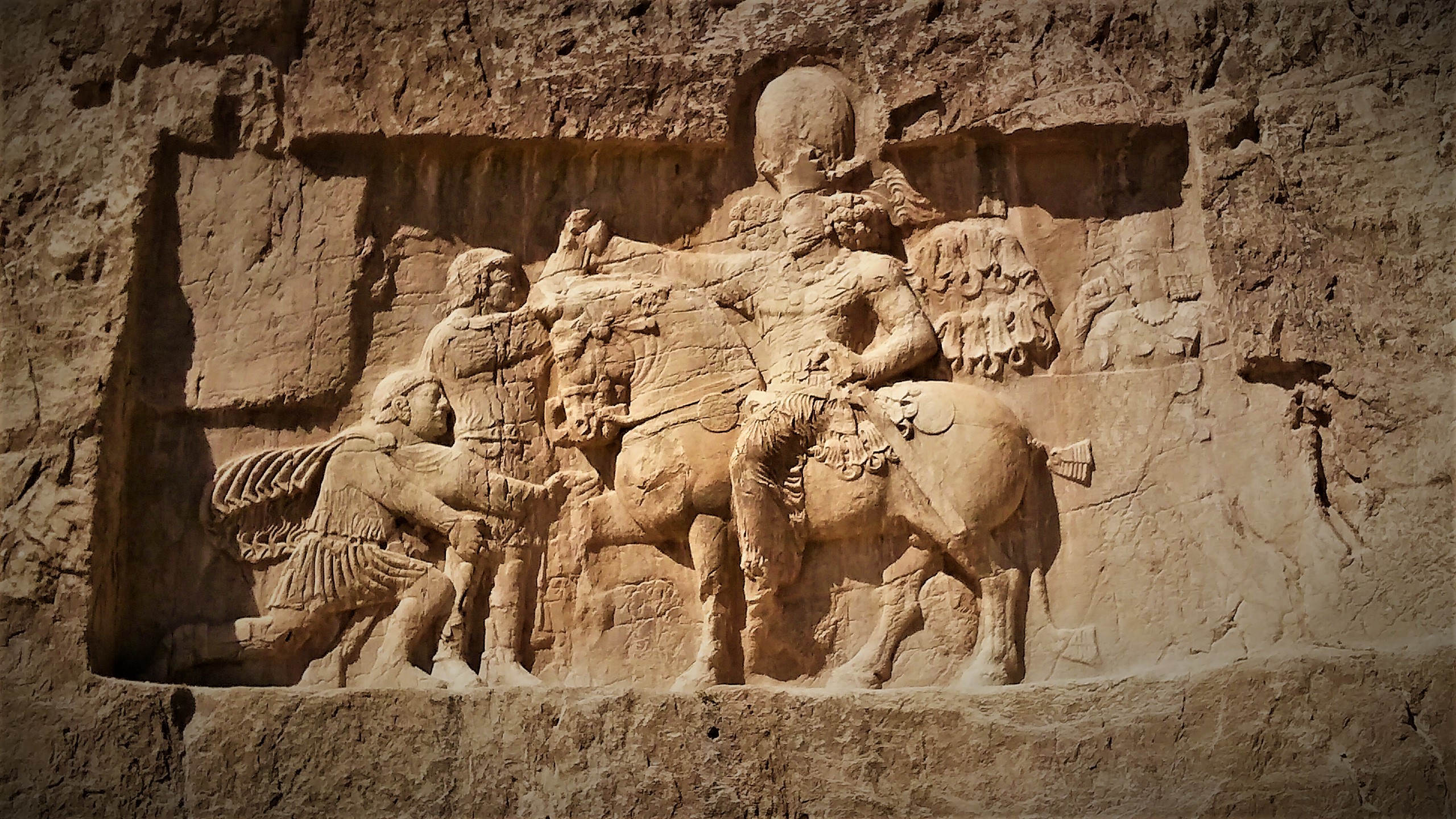
Background Image: Ardashir I’s Investiture Relief (R. Nikoghosyan, 2019)

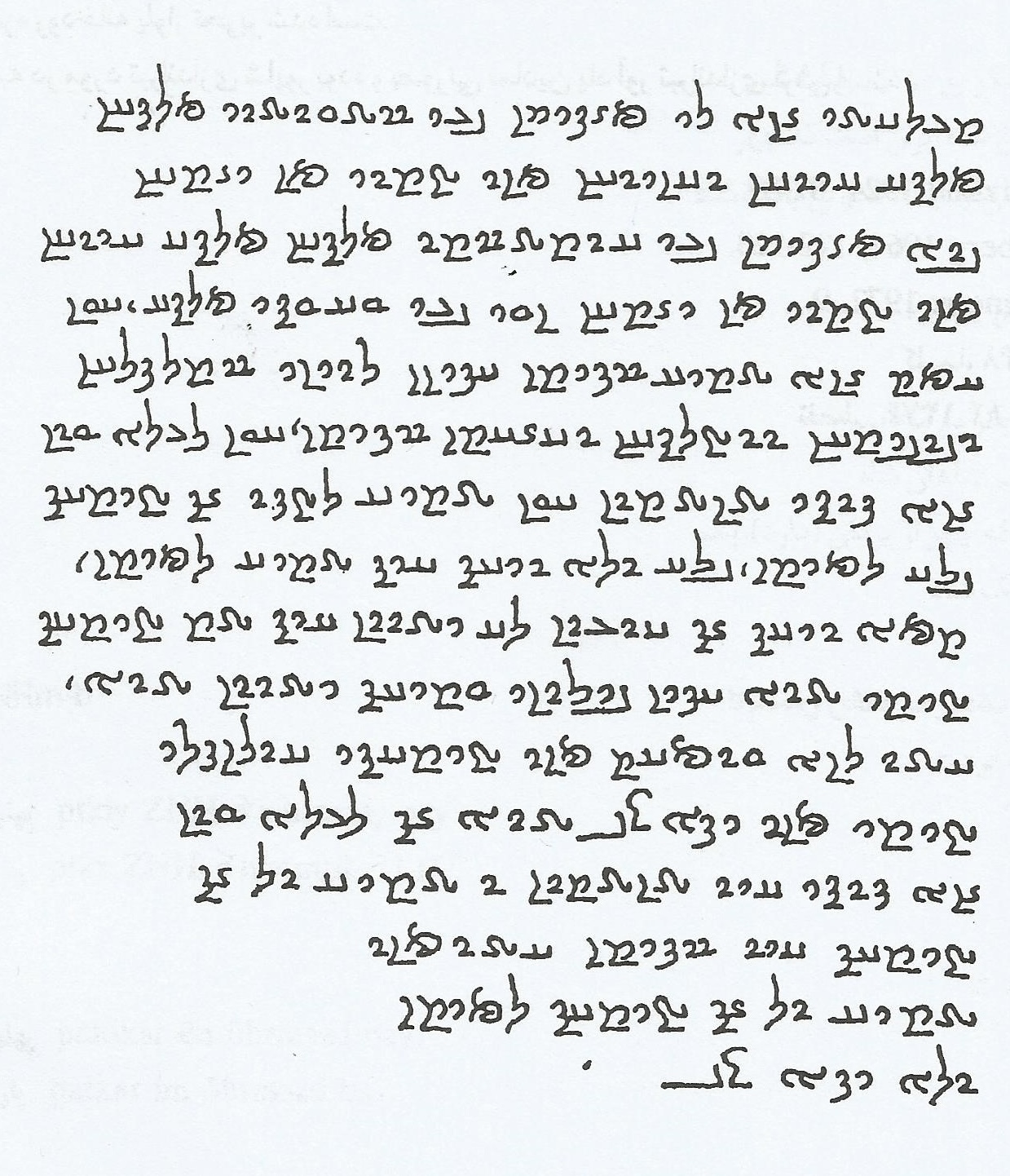
The Hajiabad Inscription Text by Shapuhr I, written in Inscriptional Pahlavi script (3rd c. AD)
Course Description
Over this 3-week adventurous journey through time, we will travel back to the Sasanian era, exploring the language and literature of one of history’s greatest and most successful empires. We will delve into the literary and religious culture of Late Antique and Early Islamic Iran.
Designed for students with no prior knowledge of Pahlavi, this introductory course aims to provide the participants with a quick and comprehensive introduction to the world of Zoroastrian Middle Persian language and literature. It will equip them with the necessary tools to continue deepening their familiarity with this language independently after completing the course.
Throughout the course, we will draw historical-linguistic comparisons with New and Old Persian, discuss the manuscript history of Pahlavi, read royal Sasanian inscriptions in their original script, and engage in other enriching activities. These activities will help students understand the historical and literary context of Middle Persian texts.
By participating in this course, the participants will:
- Learn the foundations of Middle Persian grammar.
- Learn to read the Inscriptional Pahlavi script
- Explore the basics of the Book Pahlavi script
- Learn 400+ Middle Persian words
- Read and analyze key Middle Persian texts.
- Make historical-linguistic comparisons with New and Old Persian.
- Engage in discussions about Middle Persian literature and philology.
- Be able to engage with other Middle Persian texts independently
Course Structure
Week 1: Introduction to Pahlavi grammar and script. We will start reading the Kārnāmag ī Ardaxšēr ī Pābagān.
The first week serves as a general introduction to the grammar and script of Pahlavi. Through simplified highlights of the main aspects of Pahlavi grammar and simple exercises, students will quickly grasp the main features of Pahlavi. They will also learn to read the simpler script of the Sasanian royal inscriptions. Due to the short duration of the course, the Book Pahlavi script will not be taught, as it is too time-consuming for an introductory course. You can participate in the Advanced Pahlavi courses to work on the Book Pahlavi script.
During the first week, we will begin reading (in transcription) a well-known Pahlavi text, the Kārnāmag ī Ardaxšēr ī Pābagān, a legendary account of the exploits of Ardashir I, the founder of the Sasanian Empire.
Week 2: Focus on vocabulary, grammar, and reading Sasanian royal inscriptions and Wizārišn ī Čatrang ud Nihišn ī Nēw Ardaxšēr.
In the second week, we will focus on three main activities: strengthening our vocabulary and filling in the gaps in our understanding of grammar, reading Sasanian royal inscriptions in their original script, and continuing our readings in Pahlavi literature.
Our literary explorations will include a very interesting and unique text from the Sasanian era that describes the origin stories of two popular board games, chess and backgammon. This text is called Wizārišn ī Čatrang ud Nihišn ī Nēw Ardaxšēr (“The Explanation of Chess and the Invention of Backgammon”).
Week 3: Reading Ardā-Wīrāz-nāmag and discussing Zoroastrian literary culture, with excursions into other important texts like the Bundahišn.
In the third week, we will shift our focus to reading a religious Middle Persian text known as the Ardā-Wīrāz-nāmag (“The Book of the Righteous Wiraz”). This once-popular text recounts the story of a priest sent to the otherworld to bring back knowledge and strengthen the foundations of the Mazdayasnian (Zoroastrian) religion, a theme prevalent in Ancient and Medieval literature.
Throughout this week, we will delve into Zoroastrian literary culture and its terminology and mythology, occasionally exploring other significant Pahlavi texts, such as the Bundahišn. One of the highlights will be familiarizing ourselves with the history of scholarship on Middle Iranian studies and discussing recent developments in the field.
Class Structure
In the first class, we will have an extensive introductory lecture covering a variety of subjects related to Pahlavi literature and the Middle Persian language. This lecture will include:
- An overview of the historical development of Persian
- The literary contents of Middle Persian
- The scripts used to write the language
- The current state of scholarship
- Other relevant subjects
Subsequent classes will begin with a discussion of the previous class’ contents and a Q&A session, where student questions are highly encouraged.
Following this, we will cover grammar and vocabulary to help students better understand the structure and stylistics of Pahlavi. After this introductory part we will be reading and discussing the selected Middle Persian text.
These sessions will serve as practice exercises where students read and offer their translations of the passages. The instructor will correct and comment on these translations to enhance the students’ understanding of the language.
First Class:
- Extensive introductory lecture
- Overview of historical development, literary contents, scripts, and current scholarship
Subsequent Classes:
- Review and Q&A session on previous class content
- Grammar and vocabulary discussion
- Reading and translating Middle Persian texts with instructor feedback
Highlights
- Gain Insight into Late Antique Iran: Explore the rich literary and religious heritage of the Sasanian era, offering unique perspectives Iranian Civilization.
- Develop Historical-Linguist Skills: Learn Pahlavi grammar and script fundamentals, building a solid foundation for further study and research in Iranian linguistics.
- Access Rare Texts: Dive into original Middle Persian texts, unlocking fascinating stories and insights into the cultural and religious practices of ancient Zoroastrianism.
- Expand Academic Horizons: Expand your academic toolkit with historical-linguistic comparisons between Middle Persian and other ancient languages, enhancing your understanding of the broader Indo-Iranian linguistic family.
- Scholarly Engagement: Engage in scholarly discussions on recent developments in Middle Iranian studies and contribute to the academic discourse on ancient Persian literature and culture.
- Personalized Learning: Receive individualized feedback and guidance from the instructor, tailored to your learning pace and objectives, ensuring a rewarding and fulfilling learning experience.
.
Testimonials